

English-speaking trauma therapist in Paris
When understanding why isn’t enough
You may already understand a great deal about yourself and the experiences that have shaped you. You may recognise patterns in your emotions and relationships and even understand where they come from. But knowing why you feel or react as you do doesn’t necessarily make it easier to cope differently.
You may feel overwhelmed by your emotions, ashamed of your reactions, or confused by the reactions of others. You may experience flashbacks, intrusive thoughts, nightmares or panic. Perhaps you have learned to cope by pushing down your feelings, focusing on other people, using substances, self-harming, or simply carrying on.
To other people, you may look as though you’re coping well. Inside, it can feel very different.
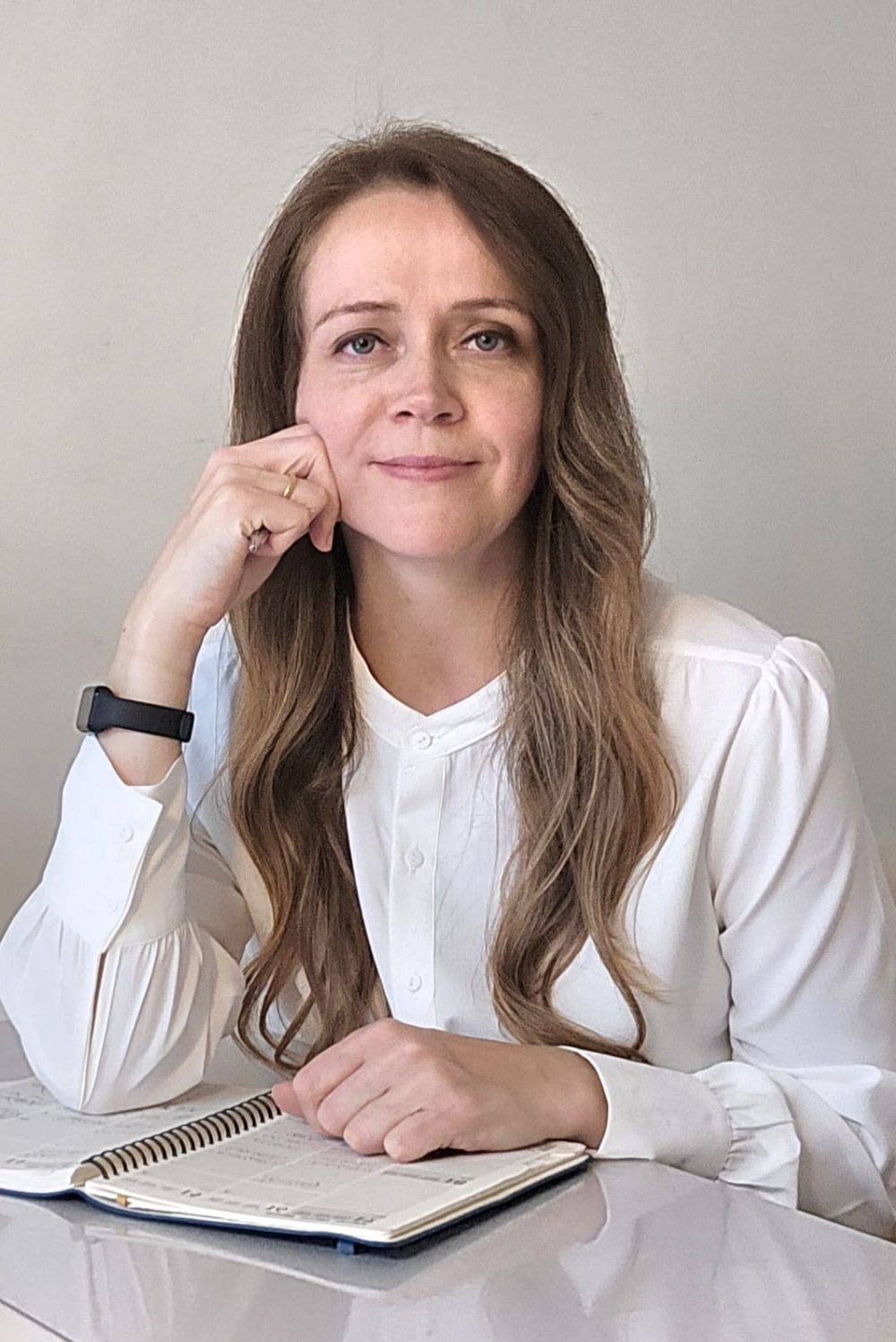
Specialist therapy for trauma and complex emotional difficulties
I am an English-speaking Chartered and Registered Psychologist based in Paris, France, with extensive experience of working with trauma and complex psychological difficulties.
I work with adults experiencing difficulties associated with trauma, PTSD, Complex PTSD (CPTSD) and Borderline Personality Disorder (BPD), including the effects of childhood trauma, abuse, sexual assault, traumatic relationships and other overwhelming experiences.
My approach is trauma-informed and draws particularly on Eye Movement Desensitisation and Reprocessing (EMDR) and Dialectical Behaviour Therapy (DBT).
Before establishing my private practice in France, I worked for more than ten years in UK mental health services, predominantly within secure forensic psychiatric care. That experience continues to inform my understanding of trauma, emotional dysregulation, self-harm, suicidal thoughts and behaviours, substance use and difficulties within relationships.
You make sense
One of the foundations of my work is validation: understanding why you feel what you feel and why you may have responded in the way you did.
Validation doesn’t mean that every response is helpful or that nothing needs to change. It means recognising that, when we understand a person’s experiences and circumstances, their emotions and ways of coping can make sense.
For someone who has experienced judgement, misunderstanding or chronic invalidation, discovering that they make sense as a human being can be an important part of therapy.
This balance between acceptance and change is central to the way I work.
When you’re coping — but only just
Experiencing trauma or emotional difficulty doesn’t necessarily mean being unable to function.
You may have a career, relationships and significant responsibilities. You may be highly capable and accustomed to other people relying on you. You may also have become very good at suppressing your own emotions, concentrating on other people’s needs or simply getting on with what has to be done.
These ways of coping can work for a long time.
Sometimes further trauma, prolonged stress, difficulties in a relationship or at work, or the cumulative demands of continuing to cope can stretch those strategies beyond their limits.
Therapy can offer a place to understand what has enabled you to cope, what is no longer working, and what might need to change.

When previous therapy hasn’t helped enough
Some of the people I work with have already spent considerable time thinking and talking about their difficulties.
You may have gained insight through previous therapy without experiencing the change you hoped for. Or perhaps previous trauma therapy felt overwhelming, ineffective, or simply wasn’t right for you at that point in your life.
Therapy doesn’t have to begin by immediately revisiting your most traumatic experiences.
Assessment and psychological formulation help us develop a shared understanding of what is happening and consider together what approach may be most appropriate for you now.
Depending on your needs, we may consider EMDR, DBT, or a combination of these approaches.
Working together
I believe effective therapy requires more than psychological techniques.
From our first sessions, we work together to understand what has brought you to therapy, what you need, and what you would like to be different.
I bring psychological knowledge, clinical experience and a professional perspective. You bring something equally important: your experience of being you.
I want the people I work with to feel heard, understood and safe enough to talk openly, including about experiences, thoughts or behaviours they may find difficult to disclose elsewhere.
That requires professional boundaries and clinical expertise. It also requires warmth, honesty and humanity.
Taking the next step
Choosing a therapist can be difficult, particularly when previous experiences have left you feeling misunderstood or when therapy hasn’t helped enough before.
If you would like to explore whether working together might be right for you, you are welcome to contact me.
What clients say
From the very first session with Zoe, I always felt comfortable and supported, and never judged. She has encouraged me to feel rather than suppress my emotions which has very much helped me in my confidence and day-to-day feeling ok. The questions Zoe asked me were always helpful in getting me to understand my emotions and patterns & doing EMDR was also very helpful in confronting and comprehending my past experiences.
Working with Zoe has helped me to realise that I can control my anxiety through a supportive approach on a 1:1 basis. I have found the sessions invaluable in teaching me the skills to control my anxiety. Without this I would have been in a darker place. Many thanks Zoe for all the support.
I am very grateful for the time I spent working with Zoe Otter. She introduced me to EMDR therapy to help me work through life events that were causing me stress, anxiety, and feelings of depression. After regular therapy sessions and EMDR therapy, my anxiety levels are lower, I have techniques to stay calm in moments of stress, I feel more positive overall, and I have moved past feelings of depression and become excited by my life again.